MY TALENT STORY
I didn't choose singing. Singing chose me, somewhere between a car seat, a Sound of Music VHS, and a two-year-old who already knew every word.
Every singer has a story about the moment music found them. Mine starts before I have any memory of it at all, which is, I think, the most honest way a calling can arrive. It doesn't ask permission. It just shows up and makes itself at home.
My mom will tell you, and she tells anyone who will listen, that I was singing from the time I could form sounds. Not humming. Singing. Full lyrics, correct melody, entirely too much feeling for a child in a car seat. She would glance in the rearview mirror and just stare. Two years old, strapped in, completely absorbed in a song, word for word. She didn't know whether to laugh or cry. Most of the time, she did both.
She says she knew then. I believe her.
"I was singing before I knew what singing was. Before I had language for it. It was just the most natural thing my body knew how to do."
A little girl, a film, and a man named Daniel Truhitte
My very first vocal instructor was Daniel Truhitte, the man who played Rolf in The Sound of Music. If you know the film, you know the voice. If you know the story, you know what it meant for a little seven-year-old girl to sit across from someone who had lived inside one of the most beloved musicals ever made and learn from him what it meant to really use your voice.
I remember walking into my first lesson the way you remember things that change you, not all the details, but the feeling of it. The weight of being somewhere important. Dan had a way of making music feel both sacred and accessible at the same time. He didn't just teach technique. He taught presence. He taught that a song is not just notes strung together, it is a story being told, and the singer is the storyteller.
I was seven. I didn't have words for any of that yet. But something in me understood it completely. And I have never unlearned it.
Everything I tried before I finally stopped arguing with the obvious
Here is where I have to be honest with you, and a little bit funny, because the road to accepting that singing was it for me was not a straight line. I was a child. Children try things. I tried a lot of things.
- Sports: Comical. Truly.
- Dance: Enthusiastic. Uncoordinated.
- Theatre: Family. Pure Joy.
- Singing: Always. Every time.
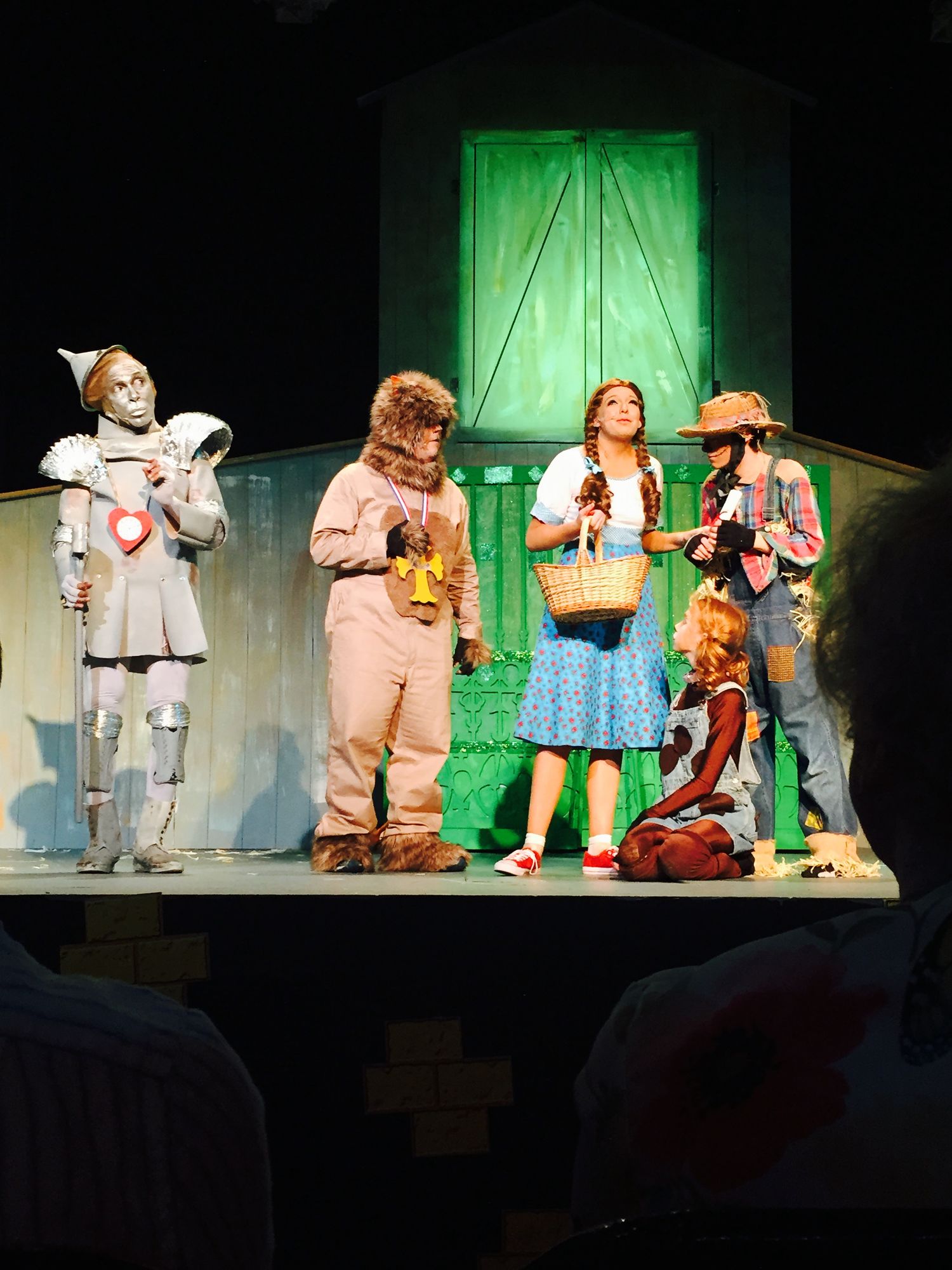
The sports phase was particularly memorable, in the way that things are memorable when they go spectacularly wrong. Dance was its own adventure. I showed up, I gave it everything I had, and the results were, let's say, more charming than technically impressive. Theatre was so sacred to me. Being on a stage, inside a story, making people feel something alongside of cast that became family. But even in every play, every rehearsal, every performance, do you know what I was waiting for? The part where I got to sing.
Choir, theatre, and the moment classical music cracked me open
Choir gave me community. Theatre gave me story. But it was classical music, specifically opera, that gave me the full depth of what a human voice can hold.
Puccini arias are my heart. I don't say that lightly or poetically for the sake of a blog post. I mean it in the most literal sense, when I sing Puccini, something happens in my chest that I have no other category for. His music carries grief and beauty and longing all at once, often within the same phrase. It asks everything of the singer. It asks you to go somewhere real and stay there, even when it's uncomfortable.
Classical opera taught me that music is not performance. It is truth-telling. It is the thing language cannot quite reach, expressed the only way it can be, through the human voice, completely unfiltered and completely vulnerable.
And then there is worship music, which lives on the opposite end of the spectrum in some ways, and yet arrives at the exact same place. Singing worship at my church is one of the most grounding things I do. There is no performance in it. There is no technique being evaluated. It is just me, and the music, and something much larger than both of us. It is the safest I ever feel.
"Opera asks you to feel everything at once. Worship music asks you to surrender it. I need both. They make me whole."
The elders, the church, and the sacred ordinary
Today, my voice shows up in two places that mean more to me than any stage ever could.
The first is with my elders, the seniors I visit through my S.M.I.L.E. initiative. I bring the classics. The oldies. The songs that lived in their youth, that were playing on the radio the night of their first date or their wedding dance or some ordinary Tuesday that turned out to be a memory they've kept for sixty years. When I sing those songs for them, something shifts in the room. Eyes close. Hands reach out. Smiles appear that weren't there a moment before.
Music reaches the places words can't. And for some of the seniors I visit, those who have lost language to illness, or who sit quietly behind walls that are hard to climb, a familiar melody is a door that opens. Every single time, it opens.
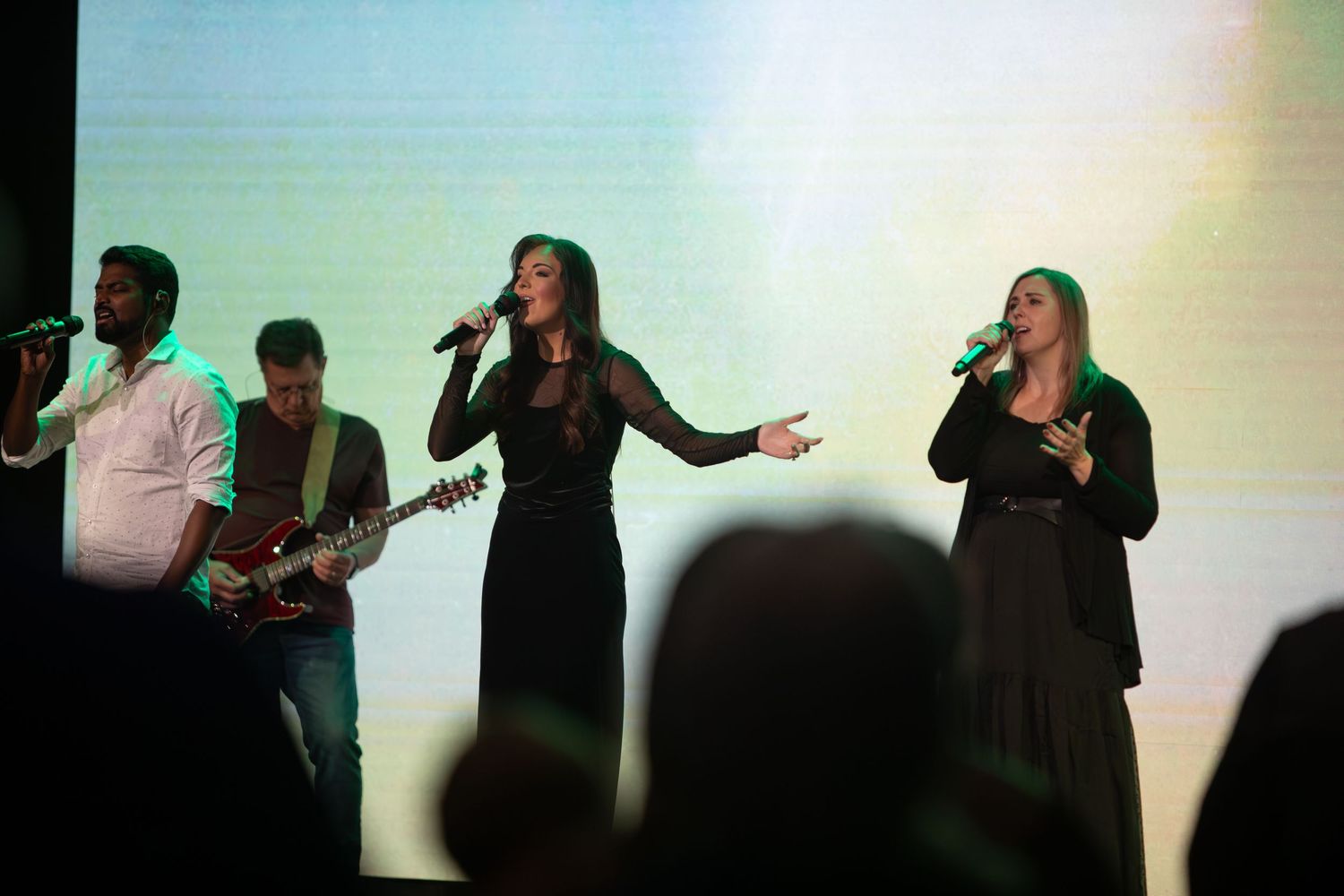
The second is at my church, singing worship. If the pageant stage is where I perform, and the seniors' rooms are where I serve, then the church is where I am simply held.There is no expectation there. No judges. No score. Just music ascending and something in me releasing along with it. It is my reset. My home. My safest place to be fully, completely myself.
Talent is one of the most honest things a competitor brings to the stage.
Here is something I believe with my whole chest: the talent competition at Miss America is one of the most powerful moments in the entire competition. It is the one place where a competitor cannot hide behind a prepared answer or a polished smile. She has to show up with something real.
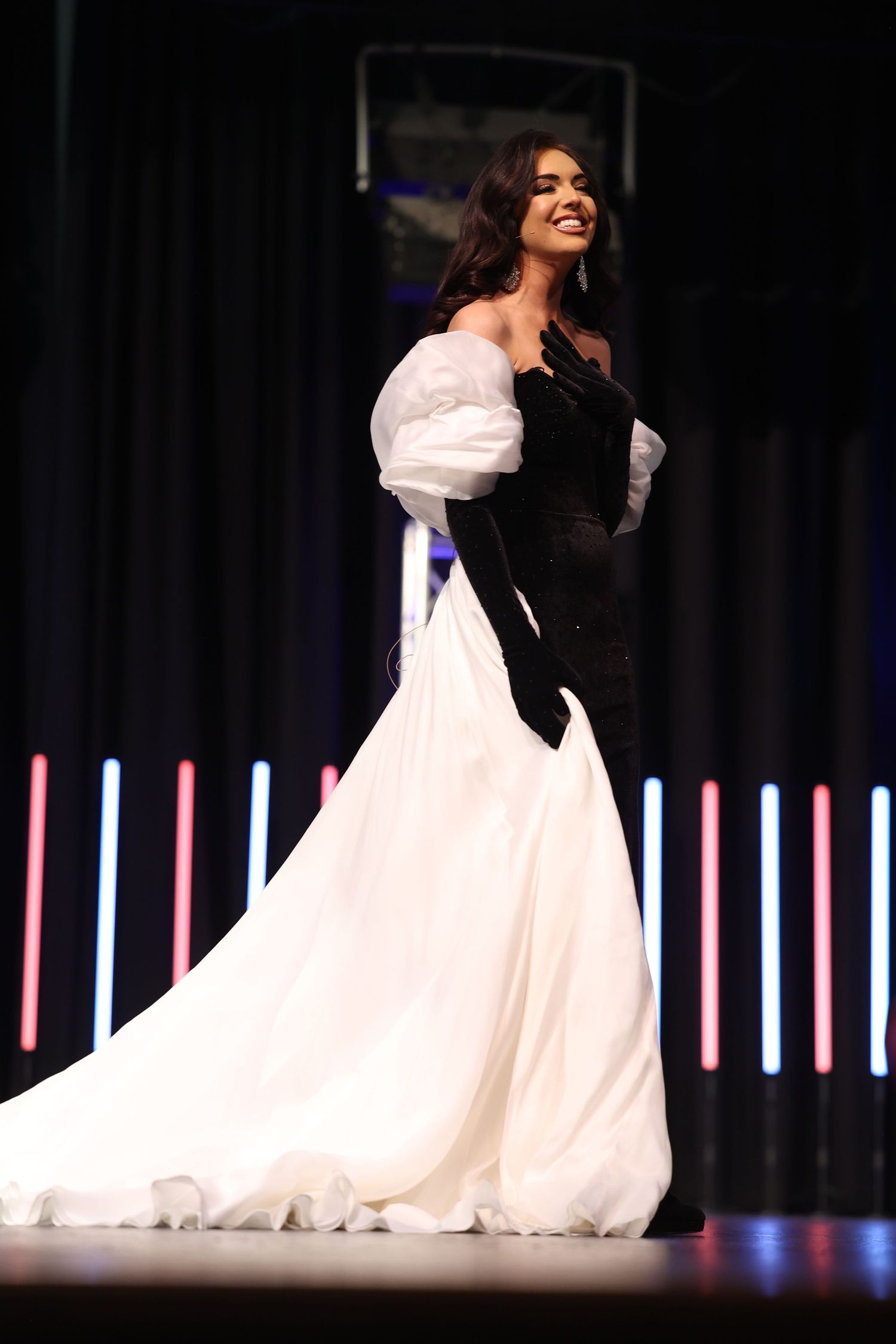
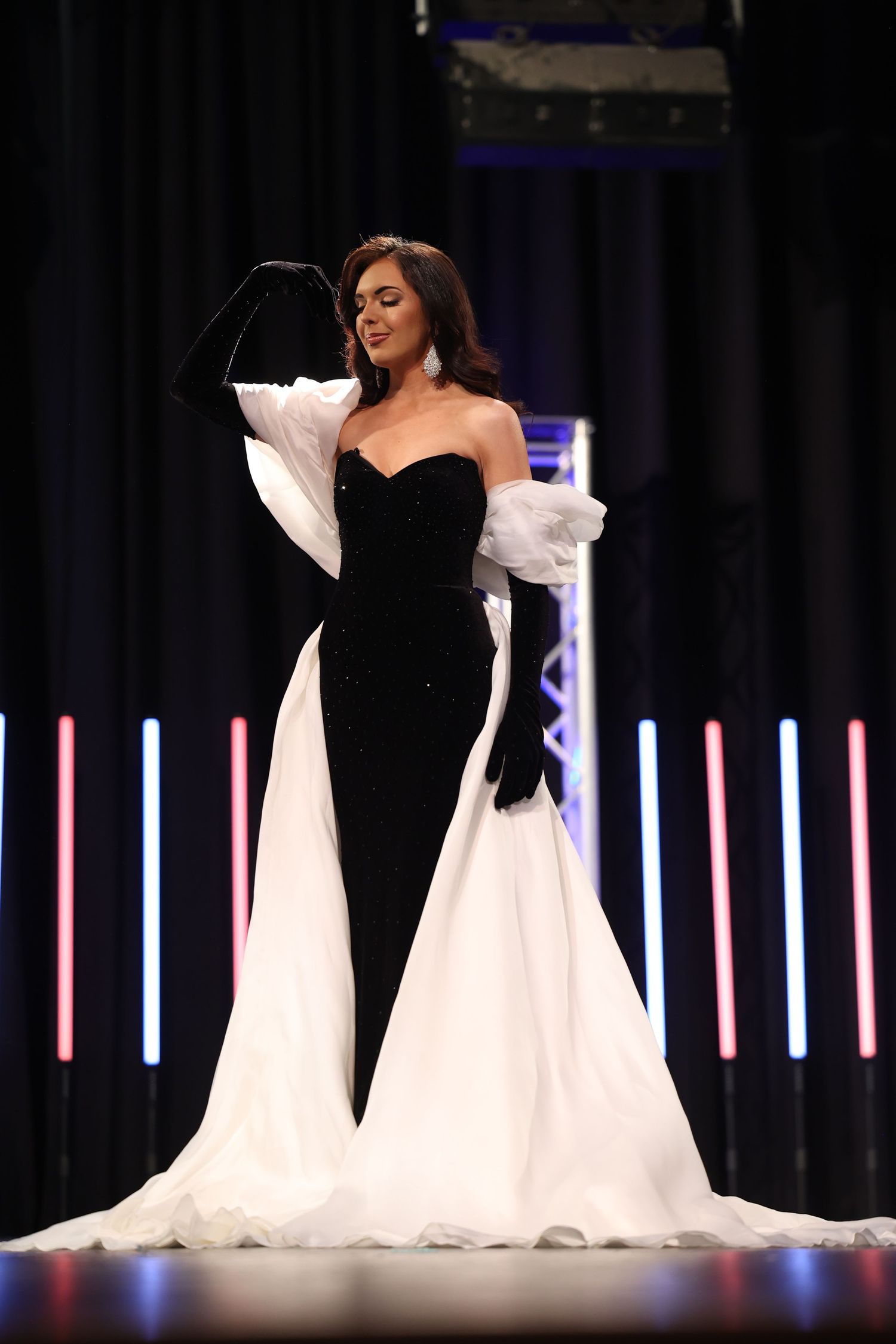
Performing on the Miss North Carolina stage will always be one of the greatest honors of my life. And I intend to use every second of it to make you feel something you did not expect to feel when you walked through that door. That is what talent is for.
What I actually do to protect my voice: real tips, no fluff
I can't help the dancers. I truly cannot. But if you are a singer heading into any competition, or any performance season, these are the things I swear by. Not the things that sound good. The things that actually work.
First, a disclaimer: I am the girl walking around with a bear bottle of honey in her hand at all times. Zero shame. If you see me backstage, in the hallway, at rehearsal — there is a very good chance that honey bear is somewhere on my person. It is not a bit. It is a lifestyle. And it will save your voice. You're welcome.
🍯 Raw honey (non-negotiable): Raw honey coats and soothes your vocal cords like nothing else. A spoonful before you sing, a spoonful when your throat feels tired, a spoonful just because. I take mine straight or stirred into warm water with lemon. For me, the bear bottle is not optional. It is sacred.
💧Hydration (more than you think you need): Your vocal cords are tissue. Tissue needs water. Room temperature water is best — cold water tightens and constricts. Start hydrating the day before a performance, not the morning of. By the time you feel thirsty, you're already behind. I carry water everywhere. Always. No exceptions during competition week.
🤫 Vocal rest is a real thing: The night before you perform, protect your voice like it owes you something, because it does. That means limiting unnecessary talking, no whispering (whispering strains your cords more than speaking), and stepping away from loud environments where you'll feel the urge to project. Silence is part of the preparation.
🌫️ Steam and a humidifier (especially at hotels): Hotel air is dry. Dry air is the enemy of a singer. A personal steamer or travel humidifier is one of the best investments you can make for competition season. Ten minutes of steam before you sing loosens everything up and wakes your voice up gently before you ask it to perform. I do not travel without mine.
🚫 What to avoid, and yes, this means dairy: Dairy produces mucus. Mucus is not your friend on performance day. Cut dairy the day before and the day of. Same goes for caffeine in large amounts, it dehydrates. Spicy food can cause acid reflux which quietly destroys your voice from the inside. I know. It's a lot of fun at events. Do it anyway.
🎵 Warm up gently, don't debut on performance day: Your first note of the day should never be your biggest note of the day. Start low, start slow, start easy. Lip trills. Gentle humming. Sirens up and down your range without pushing. Think of it like stretching before a run, you wouldn't sprint cold, and you shouldn't sing cold either. Give your voice thirty minutes of gentle movement before you ask it to perform.
😴 Sleep (the most underrated vocal tool): Your voice recovers while you sleep. Sleep before the big day is not a luxury, it is part of your preparation. Fatigue shows up in your voice before it shows up anywhere else. Your breath support weakens, your tone thins, your upper register disappears. Sleep is technique. Treat it that way.
From a car seat at two years old to a lesson with Daniel Truhitte at seven, through every sport I tried and every choir rehearsal and every theatrical stage — the voice was always there. Patient. Consistent. Waiting for me to simply trust it. I trust it now. Completely. And I cannot wait to show you what it sounds like when it is finally, fully free.
With song and with love,
Taylor, Miss Mount Holly 2026